Morocco Travel Costs: Budget vs Luxury Travel
Morocco is one of those rare destinations where you can travel on a shoestring or indulge in serious luxury—and both can feel incredible. You can sleep in simple guesthouses or ornate riads, eat street food for a few euros or dine in palace-style restaurants, ride local buses or hire a private driver.
In this guide, we’ll break down what a trip to Morocco really costs, from budget travel to mid-range comfort and luxury escapes. You’ll find realistic daily cost ranges, price examples, and tips to get the most value for your money—whatever your style.
Quick Overview: Is Morocco Expensive?
Compared to Western Europe or North America, Morocco is generally affordable. But prices vary a lot depending on:
- Your travel style (budget vs mid-range vs luxury)
- The season you visit (high season vs low season)
- Whether you stay mostly in big cities, desert camps, or coastal resorts
- How much you spend on tours, activities, and shopping
Here’s a rough per-person daily budget (excluding flights):
- Backpacker / Budget: ~€25–€45 per day
- Comfort / Mid-Range: ~€60–€120 per day
- High-End / Luxury: ~€180–€400+ per day
These are averages; you can spend less or far more at either end, but they give a realistic starting point.
Typical Travel Styles in Morocco
Before we dive into costs by category, it helps to define what “budget” and “luxury” actually look like on the ground in Morocco.
Budget / Backpacker Style
A budget traveler in Morocco might:
- Stay in hostels, basic guesthouses, or simple riads
- Take buses and shared taxis rather than private transfers
- Eat at local eateries, street food stalls, and simple cafés
- Join group tours instead of private excursions
- Choose second-class train tickets instead of first-class
This style is often plenty comfortable in Morocco—you don’t need to rough it unless you want to.
Mid-Range / Comfort Traveler
A mid-range traveler typically:
- Stays in nice riads, boutique hotels, or well-rated guesthouses
- Mixes trains, buses, and occasional private transfers
- Eats at a combination of local restaurants and nicer rooftop or courtyard spots
- Splurges on a few key activities (e.g., a desert camp, cooking class, hammam)
- Books private rooms with ensuite bathrooms everywhere
This is often the sweet spot for value: ambiance and comfort without ultra-high prices.
Luxury Traveler
A luxury trip to Morocco might include:
- High-end riads, luxury hotels, and desert camps
- Private drivers or high-quality private tours between cities
- Fine dining in top-rated restaurants
- Spa days, hammam rituals, cooking classes, hot air balloons, etc.
- Expert local guides for city tours and cultural experiences
Morocco does luxury extremely well—think ornate tilework, tranquil courtyards, rooftop pools, and impeccable service.
Accommodation Costs: Budget vs Luxury
Accommodation will likely be your biggest variable cost. Morocco offers everything from hostel dorms to opulent palaces.
Budget Accommodation
Typical options:
- Hostels (dorms and private rooms)
- Simple guesthouses
- Lower-cost riads (often family-run)
Price range (per room, per night):
- Hostel dorm bed: ~€6–€15
- Basic private room (guesthouse/hostel): ~€15–€30
- Simple riad room in smaller cities: ~€25–€45
In budget places, expect:
- Simple but often clean rooms
- Shared bathrooms in some hostels
- Basic breakfast sometimes included (bread, jam, coffee, tea)
Mid-Range Accommodation
Typical options:
- Charming riads in medinas
- Nice guesthouses and small hotels
- Comfortable coastal hotels
Price range (per room, per night):
- Well-rated riads/hotels in cities: ~€50–€110
- Nicer coastal hotels or mountain lodges: ~€60–€130
In this range you often get:
- Beautiful decor, traditional tilework, inner courtyards
- Private ensuite bathroom
- Generous breakfasts included
- Sometimes a plunge pool or rooftop terrace
Luxury Accommodation
Typical options:
- High-end riads and boutique hotels
- International 5-star chains
- Luxury desert camps with private tents
Price range (per room, per night):
- Upscale riads / 5-star hotels in Marrakech or Fes: ~€180–€400+
- Top-tier luxury desert camps: ~€250–€700+ (often including meals and activities)
At this level, expect:
- High service standards and concierge support
- Stylish suites, often with private terraces or plunge pools
- On-site restaurants and spa services
- Airport transfers sometimes included
Food & Drink Costs
Moroccan food can be incredibly affordable, especially if you eat where locals do. On the other hand, high-end restaurants and hotel dining can easily match European prices.
Budget Food: Eating Like a Local
Typical costs:
- Street food snack (sfenj doughnut, msemen, etc.): ~€0.50–€1.50
- Simple local meal (tajine, couscous, or sandwich): ~€2–€5
- Tea or coffee in a café: ~€1–€2
- Fresh orange juice in markets: ~€0.50–€1.50
A budget traveler can easily:
- Eat 3 meals for around €8–€15 per day
- Snack often without spending much
Mid-Range Dining
Mid-range travelers often mix local spots with more atmospheric places:
- Meal at a nice riad or rooftop restaurant: ~€8–€18 per main dish
- Set menu (starter, main, dessert): ~€12–€25
- Coffee in a stylish café: ~€2–€4
Typical daily food budget: €20–€40 per person, depending on how often you eat at more upscale venues.
High-End Restaurants & Hotel Dining
Fine dining and hotel restaurants are usually priced closer to Western Europe.
- Gourmet restaurant main dish: ~€20–€40+
- Tasting menus or multi-course meals: often €40–€80+ per person
- Imported wine/cocktails (where alcohol is served): ~€5–€12+ per drink
Luxury travelers might spend €50–€120+ per day on food and drinks, especially if ordering wine or cocktails with meals.
Transport Costs: Getting Around Morocco
Morocco’s transport network is fairly extensive. You can travel cheaply by public transport or opt for the comfort of private transfers.
Budget Transport
Options:
- Trains (between major cities)
- Long-distance buses (Supratours, CTM, local companies)
- Shared taxis for shorter routes
- Local city buses and walking
Typical prices:
- Train (second class, Casablanca–Marrakech): ~€10–€15
- Train (second class, Marrakech–Fes via Casablanca): ~€20–€30
- Long-distance bus (Marrakech–Agadir, 3–4 hours): ~€8–€15
- Shared taxi short hop between nearby towns: ~€2–€6
- Local city taxi ride: usually €1–€4 for short distances (metered or fixed price)
A budget traveler might spend €3–€8 per day on local transport, plus €10–€30 on days with longer intercity journeys.
Mid-Range Transport
Mid-range travelers often:
- Use first-class trains for comfort
- Take reputable bus companies
- Use private transfers for some longer or more complex routes
Typical prices:
- Train (first class, Casablanca–Marrakech): ~€15–€25
- Private transfer between two major cities (car with driver): ~€70–€150 one-way, depending on distance
This offers more comfort and flexibility without reaching full luxury pricing.
Luxury Transport
Luxury travelers might choose:
- Private drivers for the entire trip
- Chauffeured 4×4 vehicles for desert and mountain routes
- Premium airport transfers
Typical prices:
- Full-day private driver (car + fuel): ~€80–€180+ depending on distance and vehicle type
- Multi-day private tours (e.g., Marrakech–Merzouga–Fes with driver, hotels, and desert camp): often €250–€600+ per person, depending on comfort level and inclusions
This is significantly more expensive than DIY public transport, but also far more convenient—valuable if time is limited or comfort is a priority.
Activities, Tours & Entrance Fees
You can keep activities cheap (self-guided explorations) or build a more curated experience with guided tours and unique experiences.
Budget-Friendly Activities
- Wandering medinas (Marrakech, Fes, Chefchaouen): Free
- Public gardens and viewpoints: Often free or very cheap
- Museum/monument entry: Usually ~€1–€5 per site
- DIY hiking in popular areas (e.g., near Imlil) with basic gear
A budget traveler might spend €3–€10 per day on activities, more if doing an occasional tour.
Mid-Range Activities
Mid-range and luxury travelers often enjoy:
- Guided city tours (half-day or full-day)
- Cooking classes
- Hammam and spa experiences
- Organized desert trips (overnight or multi-day)
Typical prices:
- Group walking tour: ~€10–€30 per person
- Private city tour with guide: ~€40–€90+ per tour
- Cooking class: ~€30–€70+ per person
- Traditional hammam + basic scrub: ~€10–€30
- Spa-style hammam with massage (hotel or luxury spa): ~€40–€120+
- Standard 2-day desert trip (shared, from Marrakech to Zagora, basic camp): ~€60–€120 per person
High-End Experiences
Luxury experiences can significantly increase your daily budget:
- Luxury Sahara desert tour (private 4×4, high-end camp): often €200–€500+ per person for 1–2 nights
- Hot air balloon rides (near Marrakech): ~€160–€230+ per person
- Private full-day guided excursions (e.g., to Atlas Mountains, Essaouira): ~€80–€200+ per person, depending on group size and inclusions
Shopping & Souvenirs: How Much to Budget
Morocco is famous for its markets—carpets, leather goods, ceramics, lamps, spices, and more. How much you spend depends entirely on your interest and luggage space.
Budget Traveler
Likely to buy:
- Small souvenirs (magnets, postcards, small trinkets)
- Modest items like scarves, spices, or small pottery
Budget: ~€2–€10 per small item, maybe €20–€60 total over a trip if shopping lightly.
Mid-Range Shopper
Might buy:
- A couple of scarves or shawls (~€5–€20 each)
- A small rug or runner (~€40–€150+ depending on quality and bargaining)
- Leather bag or pouf (~€25–€80+)
You could easily spend €100–€300 or more if you like handicrafts.
Luxury Shopper
Luxury travelers sometimes:
- Purchase high-quality handmade carpets
- Commission or buy designer-level leather goods or decor
High-end rugs and artwork can run anywhere from €300 to several thousand euros, depending on craftsmanship and materials.
Daily Cost Examples: Budget vs Luxury
To put all of this into context, here are example daily budgets (excluding flights, assuming costs per person and sharing a room for non-hostel stays).
1. Budget Traveler (~€25–€45/day)
- Accommodation: Hostel dorm or basic guesthouse (~€8–€20)
- Food: Simple local meals + street food (~€8–€15)
- Transport: Local buses, shared taxis, occasional train (~€3–€8)
- Activities: Mostly free sights, maybe a cheap museum (~€2–€5)
On some heavier travel days (long bus or train rides), you might spend more; on quiet days, less.
2. Mid-Range Traveler (~€60–€120/day)
- Accommodation: Nice riad or boutique hotel (~€40–€80, shared)
- Food: Mix of local restaurants and nicer dinners (~€20–€40)
- Transport: Trains, occasional private transfers (~€5–€20 average per day over the trip)
- Activities: Guided tours, hammam, desert trip cost averaged out (~€10–€30 per day)
If you do a 2–3 day desert trip or special activities, those days will be more expensive, but averaged across a longer trip this range is realistic.
3. Luxury Traveler (~€180–€400+/day)
- Accommodation: High-end riad or luxury camp (~€180–€350+ per night, shared)
- Food: Fine dining, hotel restaurants (~€50–€120+)
- Transport: Private drivers, premium transfers (~€30–€80+ per day averaged)
- Activities: Private tours, spa days, balloon rides (~€20–€120+ per day averaged)
For ultra-luxury stays with top-end desert camps, private guides, and serious shopping, budgets can climb well above €400+ per person per day.
Budget vs Luxury: Pros and Cons
Budget Travel Pros
- Very affordable compared to Western standards
- Encourages more interaction with locals and everyday life
- Makes longer trips more realistic
- Plenty of decent, clean options even at low prices
Cons:
- Less privacy and comfort in some accommodations
- Longer travel times on buses and shared taxis
- More planning and negotiating required
Luxury Travel Pros
- High comfort and often stunning accommodation
- Saves time with private transfers and curated tours
- Often more relaxing—especially for shorter trips
Cons:
- Costs rise fast, especially with top-end hotels and desert camps
- Slightly easier to stay inside a “tourist bubble” and see less of daily local life
Mid-Range: The Popular Compromise
For many travelers, mid-range is ideal: charming riads, a mix of local and upscale food, some private tours or drivers, and a few splurges like a hammam or desert camp night—without a luxury-level price tag.
Money-Saving Tips (Whatever Your Style)
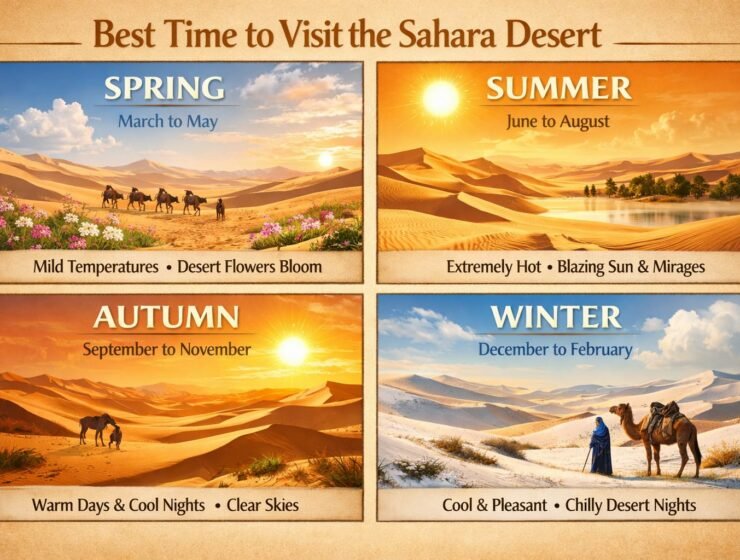
- Travel in shoulder season (March–May, late September–November) for good weather and better prices.
- Book riads directly or compare platforms; sometimes you’ll get better deals or extras (like dinner) by contacting them.
- Eat where locals eat for most meals and save fancier places for special nights.
- Use public trains and reputable bus companies for long distances; they’re safe and affordable.
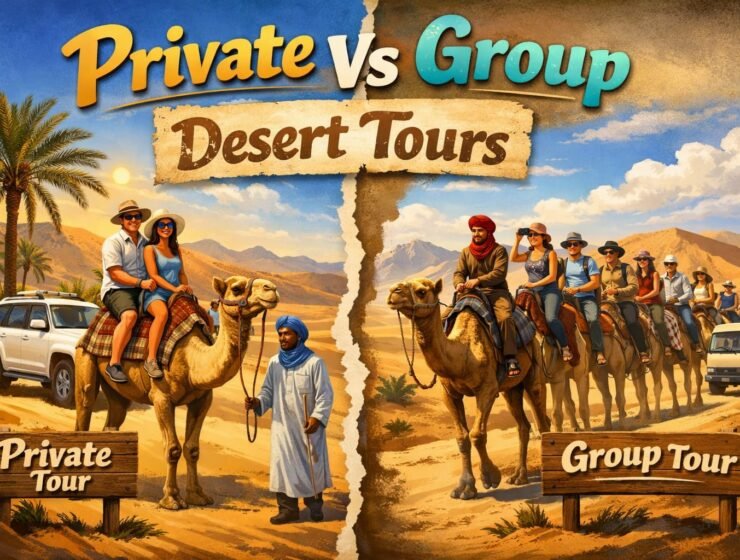
- Group tours can be far cheaper than private ones, especially for common routes like Marrakech–Merzouga.
- Learn a few phrases in French or Moroccan Arabic; it can help with haggling and navigating markets.
Final Thoughts: Choosing the Right Budget for Your Morocco Trip
Morocco is one of those destinations that rewards every budget level. You can:
- Travel as a backpacker and still experience incredible hospitality, food, and landscapes.
- Choose a mid-range approach for comfort and character without overspending.
- Go all-in on luxury and enjoy some of the most beautiful hotels and riads in the world.
The key is deciding what matters most to you: time, comfort, or savings—and then planning accordingly.
If you tell me roughly how long your trip will be, which cities or regions you’re visiting, and your preferred style (budget, mid-range, or luxury), I can help you estimate a total trip cost and suggest where to save or splurge.