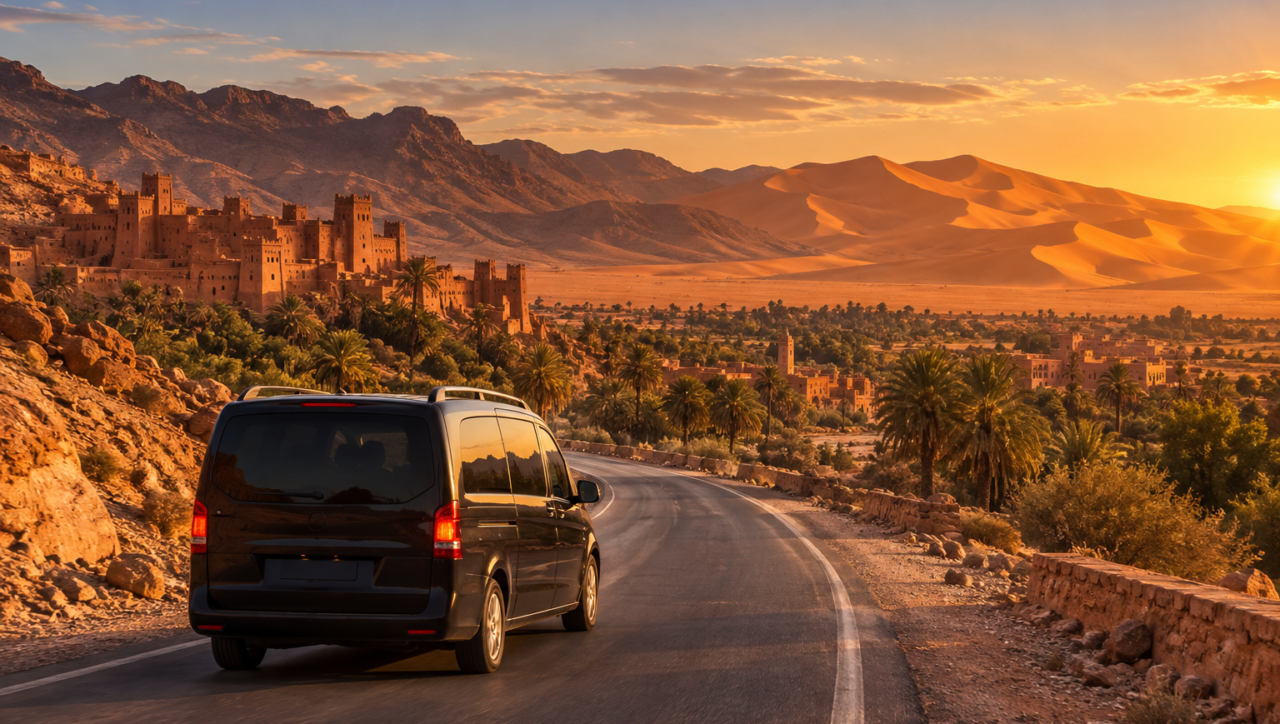
Marrakech to Merzouga Desert Tour: What To Expect Day by Day
If you’re dreaming of golden dunes, star‑filled skies, and the feeling of leaving the busy world far behind, a Marrakech to Merzouga desert tour is probably on your list. It’s one of Morocco’s most iconic journeys—taking you from the chaos of the medina, over the High Atlas Mountains, through ancient kasbahs and green valleys, and finally into the Sahara’s famous Erg Chebbi dunes.
Whether you choose a 3‑day, 4‑day, or 5‑day tour, the rhythm of the trip is similar. Here’s what you can really expect, day by day, based on a typical itinerary.
The Feel of the Journey
Before diving into each day, it’s worth knowing what this trip feels like:
- You’ll have early starts and long days, especially on the first and last days.
- The drive is part of the experience—it’s not just about the destination.
- The scenery changes constantly: from city to mountains, from valleys to rocky desert, and finally to soft dunes.
- You go from the energy of Marrakech to the stillness of the Sahara, and that contrast is a big part of the magic.
If you don’t like the idea of spending several hours in a vehicle, this isn’t the most relaxing trip—but if you’re excited by road trips and slow shifts in landscape, you’ll love it.
Day 1 – Leaving Marrakech: Over the High Atlas to the Valleys
Your adventure usually starts early in the morning. You’re picked up from your riad or a meeting point in Marrakech, and before long, the city fades away behind you.
Crossing the High Atlas
As you drive south, the road starts to climb into the High Atlas Mountains.
What to expect:
- Curvy mountain roads and ever‑changing views.
- Occasional stops at viewpoints and small Berber villages.
- A noticeable drop in temperature compared to Marrakech, especially in winter.
You’ll cross the famous Tizi n’Tichka Pass (about 2,260 meters above sea level), where the mountains open up in wide, dramatic views. This section is scenic but can be tiring if you’re prone to motion sickness—having some water and motion pills can help.
Aït Benhaddou: Walking Through History
By late morning or around midday, you reach Ksar Aït Benhaddou, a UNESCO World Heritage site and one of the most photogenic spots in Morocco.
Here, you can usually:
- Wander through narrow, dusty pathways lined with mud‑brick houses.
- Climb to the top of the hill for a panoramic view of the ksar and the surrounding valley.
- Learn a bit about the history and how this ancient village became a famous film set.
You’ll generally have lunch nearby before continuing your journey.
Toward Ouarzazate and the Gorges
In the afternoon, you pass through or near Ouarzazate, the so‑called “Gateway to the Desert”. Some tours stop briefly by the film studios or pass through.
From here, the landscape grows drier but never dull. You drive along valleys lined with palm groves, scattered kasbahs, and small towns, slowly feeling more and more in “desert country”.
Most tours spend the first night in either:
- The Dades Valley (near the Dades Gorges), or
- The Tinghir/Todgha area, close to the Todgha Gorges.
You’ll arrive in the late afternoon or early evening, check into a small guesthouse or kasbah‑style hotel, and enjoy a traditional dinner (usually included). Expect simple but warm hospitality, and a much quieter night than in Marrakech.
Day 1 in a nutshell: Busy, scenic, and full of variety—mountain views, a famous kasbah, and your first glimpse of southern Morocco’s valleys.
Day 2 – From Gorges and Oases to the Sahara Dunes
Day 2 is often the most memorable: you move from dramatic rock formations to the soft curves of the Sahara.
Morning in the Gorges
After breakfast, you continue your drive through valleys dotted with date palms and villages. If you stayed near Tinghir, you’ll soon arrive at the Todgha (Todra) Gorges.
What it’s like:
- Towering cliffs rise on both sides, forming a narrow canyon.
- There’s a flat path along a small river where you can walk, take photos, and watch locals passing by.
- Some tours include a short guided walk, others give you free time.
It’s a refreshing stop before heading deeper into the desert.
Southbound: The Landscape Turns to Desert
Leaving the gorges, the scenery slowly shifts again:
- Villages become more spread out.
- The land gets drier and more open.
- Now and then, you see oases and the Ziz Valley, where clusters of green palms appear like ribbons in a rocky landscape.
There’s usually a simple lunch stop in a roadside town. Don’t expect luxury dining here—think straightforward Moroccan dishes and a quick rest before the final stretch.
Arrival at Merzouga: First Glimpse of the Dunes
By mid or late afternoon, the road begins to run alongside a distant wall of golden sand: the dunes of Erg Chebbi near Merzouga.
You’ll usually stop at a small hotel or riad on the edge of the dunes. This is your base where you:
- Leave your main luggage.
- Pack a small overnight bag with only what you need for the night in the desert (warm layers, toiletries, camera, etc.).
Camel Trek into the Sahara
This is the moment most people picture when they book this trip.
- You meet your camel team at the edge of the dunes.
- After a quick briefing, you mount your camel and begin the sunset ride into the desert.
- The ride often lasts 45–90 minutes, depending on your camp’s location.
As you move deeper into the dunes, the world goes quiet. The sand shifts from gold to deep orange as the Sun drops, and the silhouettes of camels stretch across the dunes. It’s a slow, swaying experience—beautiful but a bit uncomfortable if you’re not used to it, so wearing comfortable clothes helps.
Night in a Desert Camp
You arrive at your desert camp around sunset or just after.
What you can expect:
- A private tent—from simple nomad‑style setups to fully equipped “glamping” tents, depending on your tour.
- Dinner under the stars is usually a hearty Moroccan meal.
- A small campfire gathering with traditional drumming and singing.
- On clear nights, spectacular stargazing—you can often see the Milky Way.
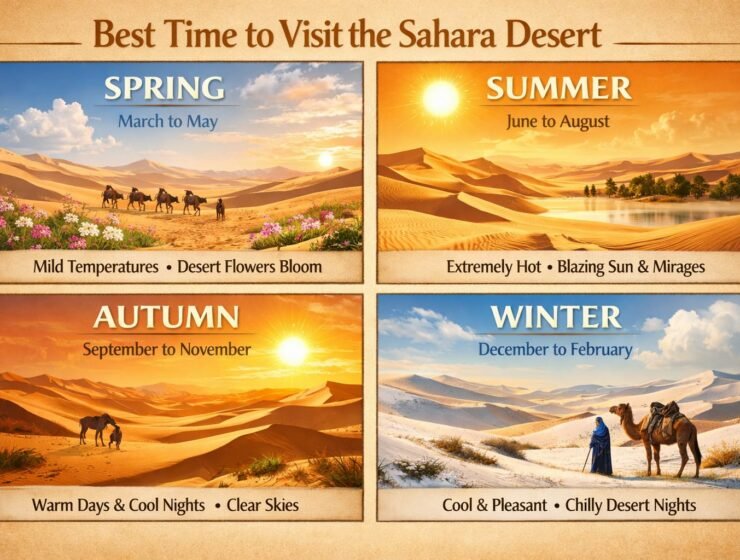
Nights in the desert can be surprisingly cold, especially from November to March, so having warm layers (and even a hat and socks) makes a big difference.
Day 2 in a nutshell: A day of contrasts—rocky canyons in the morning, endless plains at midday, and finally the surreal beauty of the Sahara at sunset.
Day 3 – Sunrise and the Long Road Back
On a standard 3‑day tour, the final day is the earliest wake‑up and the longest drive, but it starts with one of the highlights.
Sunrise Over the Dunes
You’re usually woken before dawn for sunrise in the desert.
- You might climb a nearby dune or sit quietly outside your tent.
- As the Sun rises, the dunes slowly change colour—from deep shadows to soft pinks and golds.
It’s often a calm, almost meditative moment: the kind of memory that stays with you long after the trip.
After sunrise, you’ll have breakfast at the camp or back at the base hotel.
Then:
- You ride camels or take a 4×4 back to the edge of the dunes.
- At the hotel, you can usually take a quick shower and repack your larger bag before the long ride back.
The Return Journey
The drive to Marrakech is a full day on the road.
Expect:
- To retrace much of the High Atlas route.
- Several stops for lunch, bathrooms, and stretching your legs.
- Tiredness by the end of the day—but also that satisfied feeling of having seen a completely different side of Morocco.
Arrival in Marrakech is usually in the early to late evening, depending on traffic and the pace of the day.
On 4‑ or 5‑day tours, the return leg is broken up with another overnight stop, making the experience more relaxed and less rushed.
Day 3 in a nutshell: A magical sunrise, a long travel day, and a final return to the buzz of Marrakech.
What’s Typically Included (and What’s Not)
Every company is a bit different, but most Marrakech–Merzouga tours include:
Usually included:
- Transport in a shared minibus/van or a private 4×4 with driver.
- 1 night in a guesthouse or small hotel (Dades/Tinghir area), with dinner and breakfast.
- 1 night in a desert camp in or near Erg Chebbi, with dinner and breakfast.
- A camel trek into the dunes (at least for sunset, often with a return ride at sunrise).
Often not included:
- Lunches on all days.
- Drinks and snacks (water, soft drinks, extra tea/coffee).
- Entrance fees for some sites or local guides.
- Tips for drivers, guides, and camp staff (optional, but appreciated if you’re happy with the service).
It’s always worth checking the exact details with your tour provider to avoid surprises.
Practical Tips to Make the Most of It
To really enjoy the experience, a few simple preparations help a lot.
1. Pack for Changing Temperatures
- Bring layers: T‑shirts, a sweater or fleece, and a warm jacket for the desert night.
- Don’t forget socks, a beanie, and something warm to sleep in in colder months.
2. Protect Yourself from the Sun
- Pack sunscreen, sunglasses, and a hat or scarf.
- The combination of elevation and desert sun can be intense.
3. Think About Comfort on the Road
- A travel pillow and earphones can make long drives more comfortable.
- If you get motion sick, pack suitable medication—the mountain roads are beautiful but curvy.
4. Money & Connectivity
- Carry cash for lunches, drinks, and small purchases along the way. ATMs are not always available.
- Mobile signal can be weak in some areas, including the desert camp, so expect to be offline for a while, which can actually be a nice break.
5. Luggage
- Keep a small backpack or overnight bag with your essentials for the camp.
- Your main suitcase usually stays safely at the hotel in Merzouga until you return the next morning.
Is the Marrakech to Merzouga Tour Worth It?
If you’re looking for a polished, luxury escape with minimal driving, this might not be your trip. But if you:
- Don’t mind long days on the road,
- Love watching landscapes shift slowly,
- Want to experience a night under the Saharan sky, and
- I’m curious about small towns, kasbahs, and mountain passes you’d never see otherwise,
Then this tour is absolutely worth adding to your Morocco itinerary.
You’ll come back to Marrakech tired but full of images: winding mountain roads, palm‑filled valleys, an ancient ksar on a hill, camels silhouetted against the sunset, and the feeling of cool desert air on your face at dawn.