What to Pack for a Trip to Morocco (Season by Season)
Planning a trip to Morocco is exciting: ancient medinas, Sahara sunsets, Atlas Mountain villages, and breezy Atlantic coasts—all in one country. But that variety also makes packing a bit tricky. Temperatures can swing dramatically not just between seasons, but between daytime and night, coast and desert, city and mountains.
This guide walks you through exactly what to pack for Morocco, season by season, with cultural tips and practical advice. Whether you’re heading to Marrakech in August, the Sahara in November, or Chefchaouen in March, you’ll know what belongs in your suitcase (and what doesn’t).
Before You Start: How to Think About Packing for Morocco
Morocco has several different climates in a relatively small area:
- Cities and inland plains (Marrakech, Fes, Meknes): Hot summers, mild winters, big day–night temperature swings.
- Coastal areas (Casablanca, Essaouira, Agadir, Tangier): Milder, breezy, more humid.
- Atlas Mountains (High, Middle, and Anti-Atlas): Cooler year-round, cold to very cold in winter, sometimes snow.
- Desert regions (Merzouga, Zagora): Extreme heat in summer, surprisingly cold nights in winter.
Add to that a generally conservative culture and you get one golden rule for packing:
Think in layers, and think modest.
You’ll be far more comfortable in lightweight, loose, breathable layers that cover shoulders and at least to the knee. These keep you cool in the heat, reduce sunburn, and help you blend in respectfully.
Year-Round Essentials (Whatever the Season)
No matter when you visit, there are some items you’ll want to bring.
1. Travel Documents & Money
- Passport (and digital + paper copies)
- Travel insurance details (printed or easily accessible on your phone)
- Debit/credit cards (ideally 2 different cards in case one fails)
- Some cash in EUR or USD to exchange on arrival, plus a little Moroccan dirham (MAD) if you already have it
- Printed confirmations of hotels, desert tours, or transport (useful if you lose signal or battery)
2. Clothing Basics
Morocco doesn’t require you to dress in any special way as a tourist, but modest and practical clothing will make your life easier.
Consider packing:
- 5–7 breathable tops: A mix of t-shirts and light long-sleeve shirts
- 2–3 pairs of bottoms: Loose trousers, linen pants, or jeans, plus a midi or maxi skirt if you like
- 1–2 casual dresses (for women): Knee-length or longer is easiest to wear everywhere
- 1 lightweight cardigan or sweater: For evenings, air-conditioned spaces, or breezy coastal nights
- 1–2 scarves or shawls: Incredibly useful—for sun protection, modesty (especially in rural areas or religious sites), planes and buses, and even as a light blanket
3. Footwear
You’ll likely walk a lot—medina streets are narrow, cobbled, and often uneven.
Pack:
- Comfortable walking shoes or trainers: Closed-toe, with good support
- Sturdy sandals: For hot days, beach/coast, and riads
- Flip-flops: For showers, hammams, or pool areas
If you’re hiking in the mountains, add light hiking shoes or boots.
4. Toiletries & Health
Most basic items are available in Moroccan pharmacies and supermarkets, but you may prefer your own brands.
Bring:
- Basic toiletries (toothpaste, toothbrush, deodorant, shampoo/conditioner if you’re picky)
- High-SPF sunscreen (strong sun almost year-round)
- SPF lip balm
- Hand sanitizer (great for markets and travel days)
- Tissues or a small pack of toilet paper (some public toilets lack paper)
- Small first aid kit: Plasters, antiseptic wipes, painkillers, blister plasters if you walk a lot
- Digestive/anti-diarrhea medication and rehydration salts: Food changes and heat can upset your system
- Any personal medication with enough supply for your trip (plus a few extra days)
5. Electronics
Morocco uses 220V electricity and mainly Type C and E/F plugs (same as much of Europe).
Pack:
- Universal travel adapter
- Phone + charger
- Power bank (especially for long journeys or desert trips)
- Camera + charger and extra memory card if you use one
- Offline maps (e.g., Google Maps offline) and key reservation screenshots on your phone
6. Day-to-Day Essentials
- Crossbody bag or small backpack with zippers for daily exploring
- Reusable water bottle: Tap water isn’t always recommended for visitors, but you can refill from large jugs or use purification tablets/filters
- Sunglasses + hat or cap: The sun can be intense even in winter
- Foldable tote bag for markets or groceries
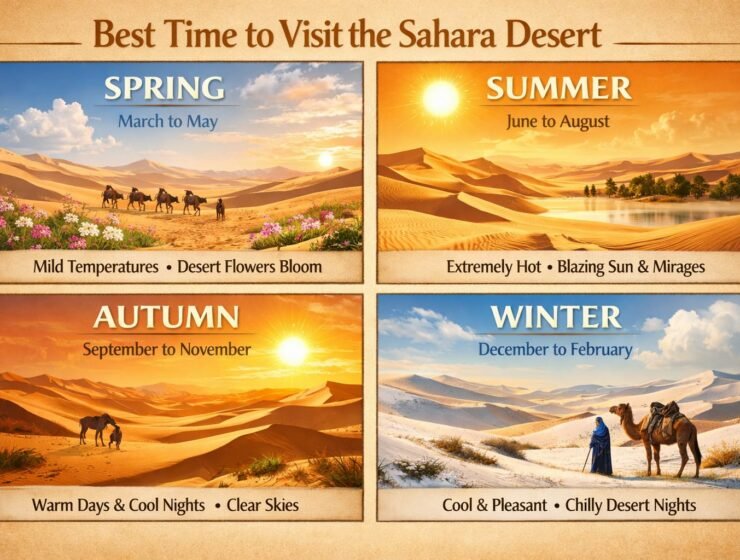
Packing for Spring in Morocco (March–May)
Spring is one of the best times to visit Morocco. The weather is generally mild, with pleasant daytime temperatures and cooler evenings. You may still encounter rain, especially in March and early April, and it can be quite chilly in the mountains or desert at night.
Typical Spring Weather
- Cities (Marrakech, Fes, Rabat): Mild to warm days, cool evenings
- Mountains (Atlas): Cool to cold, especially at night
- Desert (Merzouga, Zagora): Warm days, cooler nights; March can feel surprisingly cold after sunset
What to Pack for Spring
Clothing:
- Light t-shirts and thin long-sleeve shirts
- A couple of pairs of jeans or light trousers
- 1–2 midi or maxi skirts/dresses (for women)
- A light sweater or cardigan for evenings
- A fleece or light jacket if you feel the cold, especially if visiting the mountains
- A light waterproof jacket or compact umbrella (more useful in March/early April)
Shoes:
- Comfortable closed walking shoes or trainers
- Sandals for warmer days, particularly in April and May
Extra for Desert or Mountains in Spring:
- Warmer layer such as a fleece, hoodie, or thin down jacket
- Extra socks and perhaps a thin beanie or wool hat for cold desert or mountain nights
In spring, layering is your best friend. Mornings can start cool, midday can feel summery, and nights can remind you that winter only just ended.
Packing for Summer in Morocco (June–August)
Summer in Morocco can be very hot, especially inland and in the desert. However, coastal areas are often much more moderate and breezy. If you’re not used to heat, you’ll want to pack carefully to stay comfortable and protected.
Typical Summer Weather
- Cities like Marrakech, Fes: Very hot days, warm nights
- Desert (Merzouga, Zagora): Extreme heat in the day; warm nights
- Coastal cities (Essaouira, Agadir, Casablanca): Warm, breezy, often quite pleasant
- Mountains: Warm days, cooler nights, often comfortable for hiking
What to Pack for Summer
Clothing:
- Several very lightweight, breathable tops (cotton, linen, or moisture-wicking fabric)
- Loose long-sleeve shirts: These protect you from the sun while keeping you cooler than tight t-shirts
- Light, loose trousers (linen or cotton) or long skirts
- 1–2 maxi dresses for evenings or relaxed days (for women)
- A very light cardigan or kimono for air-conditioned places or modesty in more conservative areas
Avoid thick denim or heavy synthetic fabrics—they trap heat and make you sweat more.
Footwear:
- Sandals with good arch support and secure straps
- Breathable, well-ventilated trainers or walking shoes
- Flip-flops for beaches, riads, and bathrooms
Sun Protection:
- Wide-brimmed sun hat or at least a cap
- High-SPF sunscreen and SPF lip balm
- Sunglasses with good UV protection
- A light scarf or shawl to cover the back of your neck or shoulders in direct sun
Special Tips for Summer Desert Trips
The Sahara in summer is intense. To stay as comfortable as possible:
- Opt for long, loose, cotton or linen trousers rather than shorts
- Wear long-sleeve, loose tops to protect your arms from sunburn
- Bring a light cotton scarf or shemagh to wrap around your head and face during camel rides or windy conditions
- Keep a large water bottle with you and sip regularly; dehydration can sneak up on you
Modesty in the Heat
In highly touristic places like some parts of Marrakech or beach resorts, you’ll see people in shorts and tank tops. However, dressing slightly more modestly will usually:
- Make you feel more comfortable walking through medinas and local neighborhoods
- Help you avoid unwanted attention
- Protect you from the sun
A good balance is covering shoulders and chest, and keeping hemlines at least to just above the knee.
Packing for Autumn in Morocco (September–November)
Autumn is another fantastic time to visit. Early autumn still feels like summer, while later months bring cooler, more comfortable temperatures.
Typical Autumn Weather
- September: Often still hot, especially inland
- October: Pleasantly warm days, cooler nights
- November: Cooler days, chilly evenings, especially in mountains and desert
What to Pack for Autumn
Autumn is about flexibility—your suitcase will likely contain a blend of summer and mild winter items.
Clothing:
- Summer-style, lightweight tops and trousers for daytime
- A couple of long-sleeve shirts for evenings
- A light sweater or cardigan for after dark
- One pair of jeans or slightly thicker trousers if you’re heading to mountains or desert
- A light scarf for changing temperatures and breezy evenings
Footwear:
- Closed walking shoes/trainers
- Sandals for warmer days, especially in September and early October
Late Autumn (October–November) Extras
- Fleece or light jacket for cities at night and desert/mountain stays
- A thin rain jacket or travel umbrella: While Morocco isn’t extremely rainy, showers are more likely in late autumn, especially along the coast and in the north
If your trip crosses from late autumn into winter, lean a bit more toward warmer layers—you can always remove a layer, but you can’t add what you didn’t pack.
Packing for Winter in Morocco (December–February)
Moroccan winters often surprise travelers. They expect constant warmth and are shocked by how chilly it can feel, especially indoors where heating isn’t always strong. In the mountains, it can be properly cold, with snow at higher altitudes.
Typical Winter Weather
- Cities like Marrakech, Fes: Cool to mild days, cold nights
- Coastal areas: Cool, damp, and windy at times
- Atlas Mountains: Cold to very cold, often with snow at higher peaks
- Desert: Comfortable days, but very cold nights—especially in January and February
What to Pack for Winter
Clothing:
- Long-sleeve tops and t-shirts for layering
- 1–2 warm sweaters or fleeces
- A warm jacket—ideally something packable like a down or synthetic insulated jacket
- 1–2 pairs of jeans or thick trousers
- Optional: thermal leggings or base layers if you get cold easily
Accessories:
- Scarf, beanie/warm hat, and light gloves—very useful in the evening, especially in the mountains and desert
- Warm socks, particularly if you’re staying in traditional riads with tiled floors
Footwear:
- Closed shoes or ankle boots with good grip
- If you’re planning to hike in the mountains, bring waterproof or at least sturdy hiking boots
Special Considerations for Desert and Mountains in Winter
- Pack multiple layers: t-shirt + long-sleeve top + fleece + jacket
- Nights in desert camps can drop close to or below freezing; even with blankets provided, you’ll be glad you brought thermals, warm socks, and a beanie
- In the Atlas, especially places like Imlil or higher, expect genuinely cold conditions; proper winter clothing is a must
Cultural & Practical Clothing Tips for Morocco
Modesty and Respect
Morocco is a Muslim-majority country with a generally conservative culture, but it’s also very used to visitors. You don’t need to cover your hair or wear special clothing, but choosing outfits that are modest and non-revealing will help you:
- Blend in better and feel more comfortable
- Avoid some stares or unwanted comments
- Be welcomed more warmly in smaller towns and rural areas
In practice, this means:
- Covering shoulders and chest
- Avoiding very short shorts or skirts
- Avoiding extremely tight or transparent clothing, especially in non-touristic neighborhoods
Visiting Religious Sites
Access to mosques is limited for non-Muslims, with notable exceptions like the Hassan II Mosque in Casablanca. When you do visit religious sites or shrines:
- Ensure shoulders and knees are covered
- Choose something that isn’t low-cut
- Women may want to bring a scarf to cover hair if requested (policies vary)
In Riads and Hammams
- Riads and hotel pools: Standard swimsuits or bikinis are generally fine, especially in tourist-oriented properties. If you’re in a more traditional setting, you might feel more comfortable in a one-piece or wearing a light coverup when walking around the property.
- Traditional hammams (public baths): Many are single-sex with varying levels of undress. Some provide disposable underwear; others expect you to wear swimwear. Check in advance and bring a swimsuit you feel comfortable in.
Footwear in Medinas
Old towns (medinas) are full of uneven stones, steps, and sometimes slippery tiles. Comfortable, stable shoes make a huge difference. Save flimsy sandals for the pool or beach.
Optional but Very Useful Items
These are not strictly necessary, but they can improve your comfort and convenience.
- Small padlock: For luggage or hostel lockers
- Packing cubes: Help organize clothes, especially if you’re moving between regions with different climates
- Lightweight travel towel: Handy for hammams, desert camps, or basic guesthouses
- Earplugs and eye mask: Calls to prayer, street noise, and early mornings can disrupt sleep if you’re sensitive
- Travel-sized laundry detergent or soap: To wash small items in the sink during longer trips
- Small phrasebook or translation app: French and Arabic are widely spoken; English is common in tourist areas but not guaranteed everywhere
Sample Packing Checklist by Season
To pull this together, here’s a simple, season-based overview.
Spring (March–May)
- 5–7 tops (mix of t-shirts and long-sleeves)
- 2–3 bottoms (light trousers/jeans, long skirt)
- Light sweater or cardigan
- Fleece or light jacket (especially March/April or if visiting mountains/desert)
- Light rain jacket or small umbrella
- Comfortable walking shoes + sandals
- Scarf or shawl
Summer (June–August)
- 5–7 very lightweight tops
- 2–3 loose, light trousers or long skirts
- 1–2 maxi dresses (optional)
- Light cardigan/kimono
- Supportive sandals, breathable trainers, flip-flops
- Wide-brim hat or cap, sunglasses, high-SPF sunscreen
- Light scarf for sun and sand
Autumn (September–November)
- Mix of summer tops and a few long-sleeve shirts
- Light trousers/jeans and maybe one warmer pair
- Light sweater/cardigan
- Fleece or light jacket for late autumn
- Closed walking shoes + sandals
- Light scarf; optional compact umbrella
Winter (December–February)
- Long-sleeve tops and base layers
- 1–2 warm sweaters/fleeces
- Warm jacket (down or insulated)
- Jeans or warm trousers; optional thermals
- Closed shoes/boots
- Scarf, beanie, gloves, warm socks
Final Thoughts: Tailoring Your List to Your Itinerary
Morocco is a country of contrasts: you can be sipping mint tea on a sunny rooftop in Marrakech one day and waking up to frosty mountain views the next. The key to packing well is to:
- Know your regions: Coast, city, desert, mountains can all feel very different on the same day.
- Check your exact dates: Weather in early March is not the same as late May; early September is very different from late November.
- Prioritize layers over heavy items: Light layers give you more flexibility than one big bulky jumper.
- Respect the culture, but don’t stress: Modest, comfortable clothing will serve you well almost everywhere.
If you share when you’re going, which cities or regions you’ll visit, and how long you’ll stay, I can turn this into a personalized, itemized packing list tailored exactly to your trip to Morocco.