1. Documents & Basics
- Passport or ID (for domestic travel, ID is often enough but carry passport if you have it)
- Cash in dirhams (many places are cash-only in desert areas)
- Bank card
- Travel insurance details
- Phone + charging cable
- Power bank (many camps have limited outlets)
- Small daypack (for camera, water, layers on excursions)
- Main bag: soft duffel or backpack (easier in 4×4 vehicles than a hard suitcase)
2. Clothing – Core List
Pack light but strategic. For 1–2 nights you don’t need much.
For all seasons
- 2 breathable long‑sleeve shirts (linen/cotton or light technical fabric) – for sun protection and comfort on camel rides
- 1–2 T‑shirts
- 1–2 lightweight long pants (loose; hiking or trekking pants are ideal)
- 1 pair comfortable shorts (for camp/riads; sometimes not ideal for the camel if very sunny)
- 1 set of sleepwear
- Underwear + 2–3 pairs socks (moisture‑wicking if you’ll hike)
- Closed shoes: trail runners or light hiking shoes (good for sand, uneven ground)
- Sandals/flip‑flops: for camp, showers
- Wide‑brim hat or cap (with neck protection if possible)
- Light scarf/shemagh (protection from sun & blowing sand)
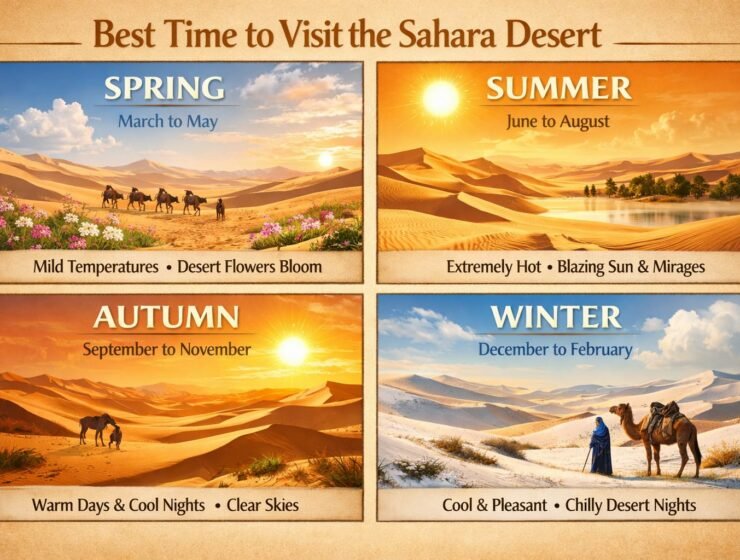
Extra for autumn/winter/early spring (Nov–Mar, and chilly nights in Oct/Apr)
- Warm fleece or light down jacket (nights can drop below 5–10°C, especially Merzouga)
- Thermal top & leggings (for sleeping if you get cold)
- Beanie + light gloves if you’re cold-sensitive or going Dec–Feb
Extra for late spring/summer/early autumn (May–Sep)
- Focus on very light, loose, breathable fabrics
- A second very lightweight long pant (you’ll appreciate coverage from sun + sand)
- Extra T‑shirt if you sweat a lot
3. Sun, Sand & Heat Protection
Moroccan desert sun is strong almost all year.
- High SPF sunscreen (face & body; 30–50 SPF, broad‑spectrum)
- SPF lip balm
- Sunglasses with UV protection (wraparound if you can, good for sand)
- Headscarf/shemagh (you can also buy one locally; fun + practical)
- Lightweight buff/neck gaiter (extra protection for face in wind/sand)
4. Toiletries & Health
For just 1–2 nights, keep a compact kit.
- Toothbrush, small toothpaste, floss
- Deodorant
- Travel‑size soap/body wash & shampoo (check what your riad/camp provides)
- Wet wipes / baby wipes (gold in the desert if water is limited)
- Hand sanitizer
- Tissues / small toilet paper roll
- Moisturizer (face & hands – air is very dry)
- Female hygiene products (if applicable; don’t rely on remote shops)
Mini first‑aid / health kit:
- Painkillers (ibuprofen/paracetamol)
- Blister plasters / band‑aids (for hiking + sand in shoes)
- Antiseptic wipes/cream
- Any personal medications (plus a little extra)
- Anti‑diarrheal + oral rehydration salts
- Antihistamines (for allergies)
5. Gear for Camel Rides, Sandboarding & Hiking
- Reusable water bottle(s) – at least 1.5–2 L total capacity per person
- Small backpack/daypack (10–20 L) for water, camera, layers on excursions
- Headlamp or small flashlight (for walking around camp after dark)
- Travel towel (quick‑dry) – some basic camps may not provide towels
- Neck gaiter or scarf to pull over mouth/nose if it’s windy
- Lightweight travel pillow or use a pillowcase to stuff clothes
For sandboarding & hiking:
- Closed shoes that fit well; avoid new shoes that might give blisters
- Socks that are not too thin (sand gets in everything)
- Small drawstring bag / pouch to keep your phone + small items together on the board
6. Photography & Electronics
- Phone + charger
- Power bank (10,000–20,000 mAh is plenty)
- Camera (if you use one) + extra battery + memory card
- Lens cloth / blower for dust & sand
- If you like night sky photos: small lightweight tripod
- Offline maps & key info saved on your phone (hotel address, camp name, guide’s number)
- Universal adapter if you’re not using Moroccan plugs
7. For Luxury vs. Basic Camps
Both types usually provide:
- Blankets and bedding
- Dinner + breakfast
Luxury camps often add:
- Private bathroom & shower in tent
- Towels and toiletries
Basic camps may require you to bring:
- Towel
- Extra warm layer in winter (blankets can be heavy but not always super warm)
- Possibly a sleeping bag liner if you prefer (not essential but nice if you’re picky)
If you think you’ll often use basic camps in winter: consider a light, packable sleeping bag (comfort ~0–5°C) or at least a warm liner.
8. Small Extras That Are Very Useful
- Copies of passport & important documents (paper + digital)
- Small notebook & pen
- Ziploc/plastic bags or small dry bags (to protect electronics from sand, separate dirty clothes)
- Snacks: nuts, dried fruit, dates, energy bars (especially if you get hungry between meals)
- Sarong / light shawl (for sitting on sand, extra shade, modesty layer)
- Earplugs & eye mask (if you’re a light sleeper)
- Playing cards / Kindle / small book for quiet evenings
9. What to Wear on a Typical Day
Daytime (camel ride / sandboarding / short hike)
- Lightweight long pants
- Breathable long‑sleeve shirt or T‑shirt + scarf
- Hat + sunglasses
- Closed shoes for boarding/hiking
Evening in camp
- Same pants or clean pair
- T‑shirt or long sleeve, plus fleece/jacket in cooler months
- Sandals for walking around camp